
Then and now: Ben and his acute lymphoblastic leukaemia diagnosis
3 min read 19 October 2026
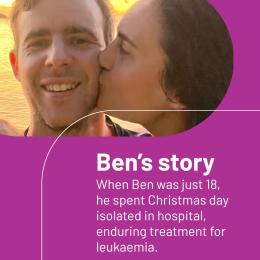
Ben was 18 when the ordinary life he knew disappeared.
He had been playing footy for his Under-19s team – fit, healthy, living away from home, with an exciting future ahead of him.
Then he woke up with bruises. Not a few bruises from a hard game. His whole body was covered.
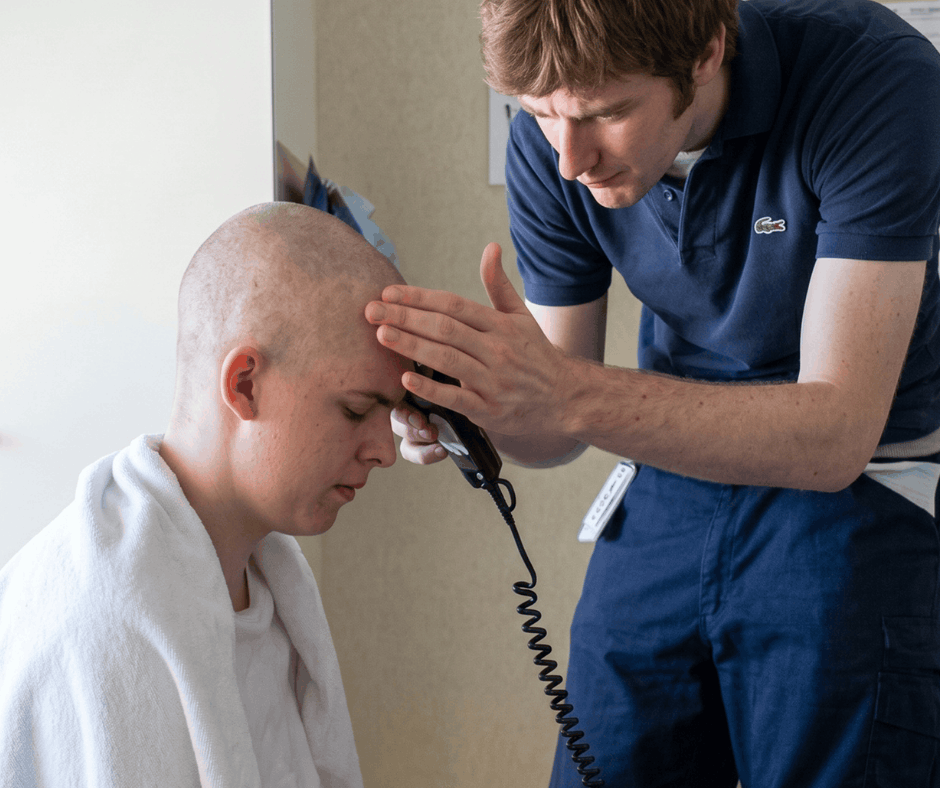 “I didn’t realise it, but I had no platelets.” – Ben, diagnosed with leukaemia at 18
At Peter Mac, Ben learned he had T-cell acute lymphoblastic leukaemia. What followed was so challenging that Ben recalls, “I didn't realise how awful it was going to be.”
Treatment saved Ben’s life. But cancer forced Ben into treatment that placed an extraordinary burden on his young body.
Please donate this Christmas to help accelerate vital cancer research at Peter Mac. You can help discover gentler treatments for children and young people.
Treatment that took over everything
Ben remembers becoming more and more malnourished. He could not eat. He remembers getting “sicker, sicker, sicker”.
Chemotherapy made him vomit over and over. He remembers racing to reach the bathroom in time.
And because leukaemia cells had been found in Ben’s spinal fluid, he also needed lumbar punctures.
“You’re sitting around all day sweating bricks, waiting for somebody to stick a needle in your spine. It’s not very pleasant.” – Ben
Then came radiation.
“Radiation was 3 times a day for 20 minutes for 7 days straight. I was strapped in this cage, nobody else in the room … it was horrible” – Ben
That radiation marked the start of the bone marrow transplant Ben needed to survive. It was followed by a large dose of chemotherapy to eradicate his own immune system, before his younger brother’s donated bone marrow was given to him.
“There wasn’t any other option. It was the transplant or it was death.”
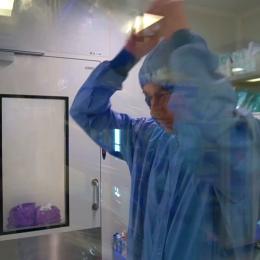
After the transplant, Ben stayed in one hospital room for 6 weeks.
“I had no immunity to anything,” Ben said. “The thing that wore me down the most was that isolation from people and being sick at the same time.”
And during all of that came Christmas Day. While families were opening presents, cooking food and pulling crackers, Ben was in hospital. He was alone, isolated.
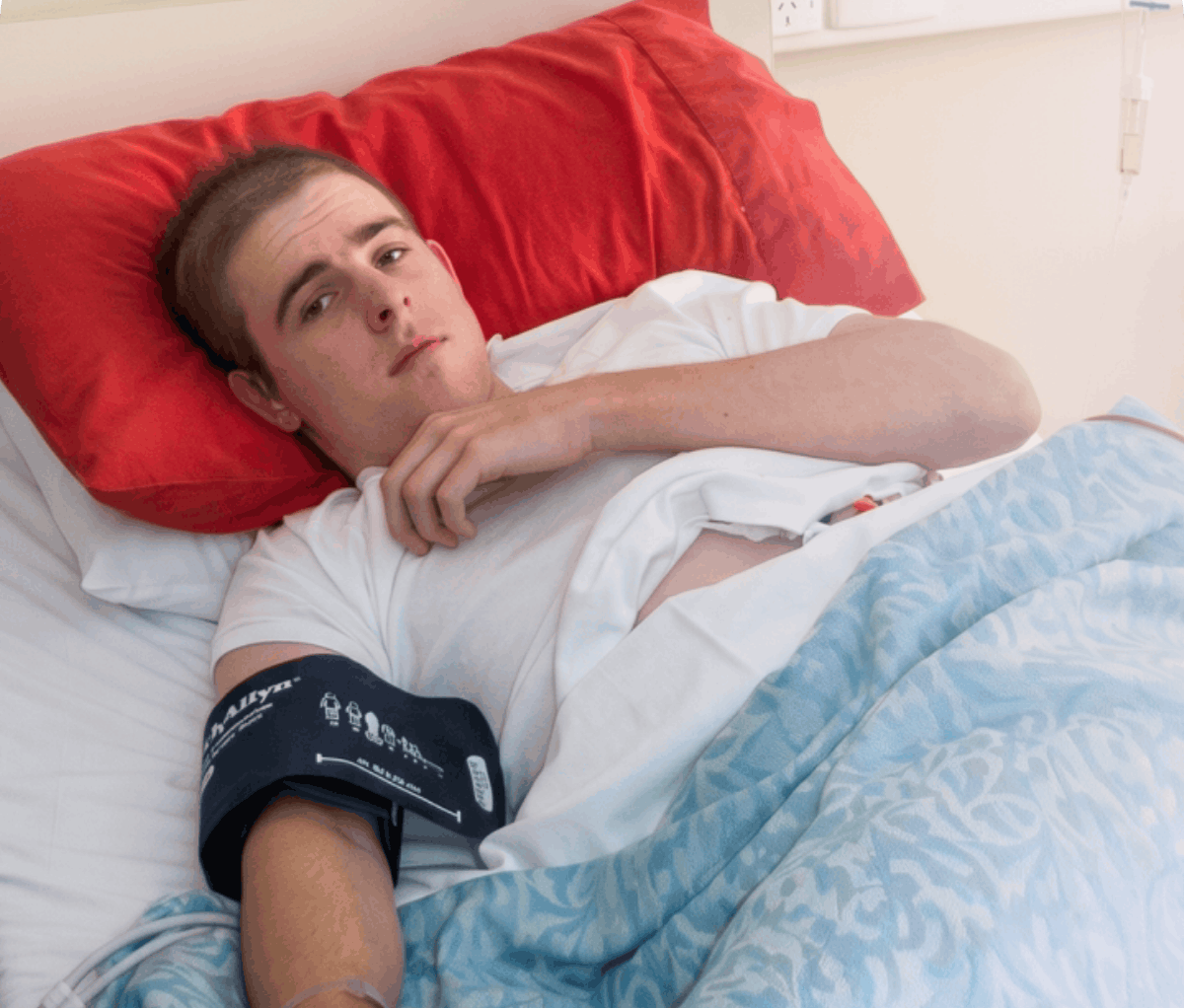 “That day was probably the lowest day that I had out of everything.” – Ben
Why research must keep moving
Today, Ben is a teacher, a husband and a father. Research helped give him the chance to live that future. But the toll of the treatment cancer forced him through is still with him.
He lives with the long-term impacts of chemotherapy, radiation and a bone marrow transplant. He has a scar on his heart. He has had skin cancers removed. His teeth were damaged. His bones are break easily. His immune system is vulnerable to infection.
As Ben says, “On the surface, we might look the same, but underneath that, our bodies are very different.”
That is the hidden toll of cancer treatment. And it can last for years, decades, even a lifetime.
That is why research must keep moving.
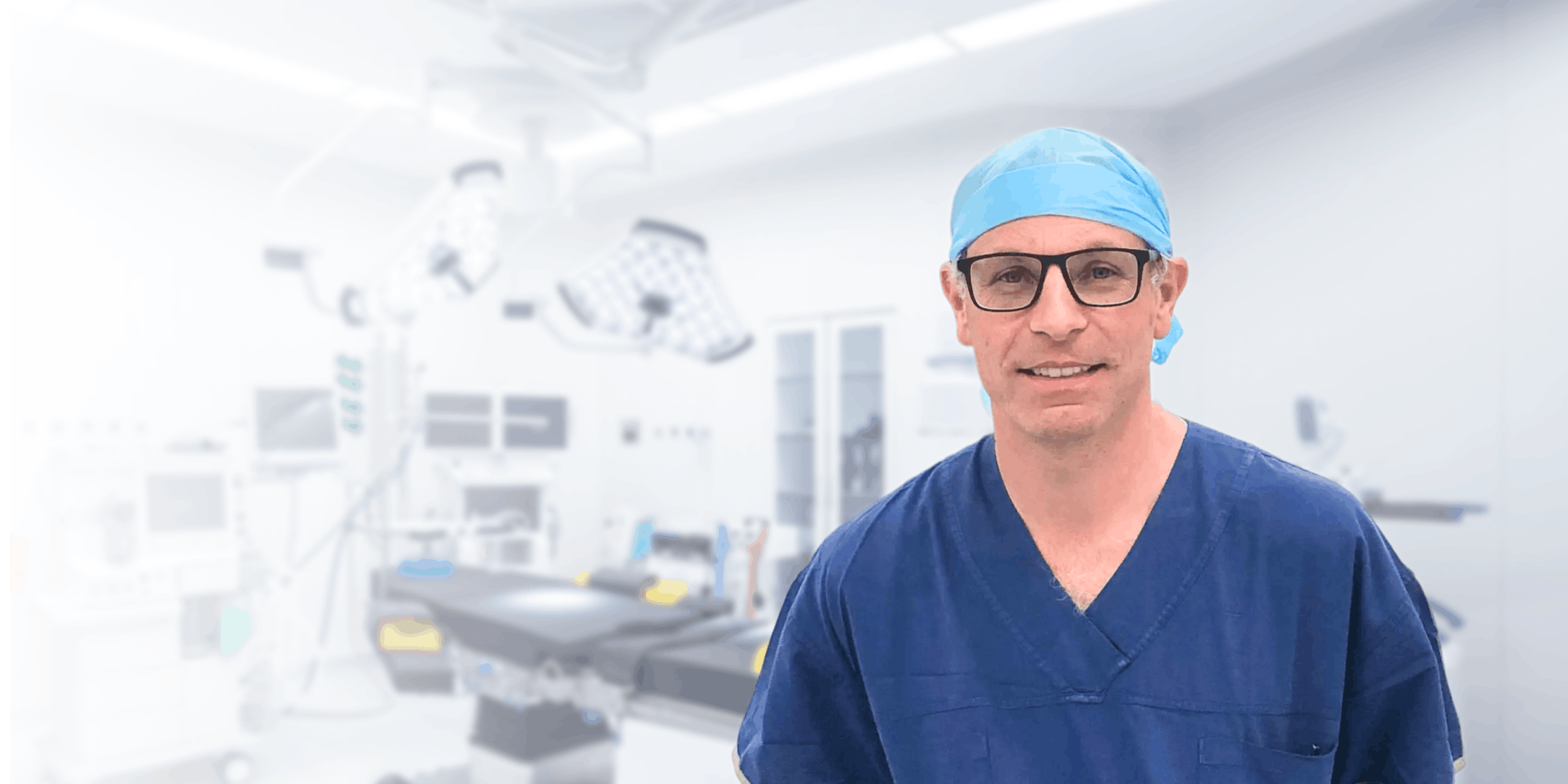
At Peter Mac, researchers like A/Prof Ashley Ng are working towards personalised cancer treatments. Treatments that remain powerful against cancer, while placing less burden on young bodies.
Because no young person should have to endure so much when research can find a kinder way.
Please donate this Christmas to accelerate vital cancer research at Peter Mac.
Your gift can help develop personalised cancer treatments closer – so young people like Ben get the treatment and the future they deserve.
@Follow us on Instagram (@SupportPeterMac)