Cancer research doesn't end in laboratories – World Cancer Research Day 2026
24 September 2026
My name is Michael Perrone.
I’m a clinician by background and have spent nearly twenty years working across Victoria’s public health system, higher education system and, most recently, with the Victorian Department of Health.
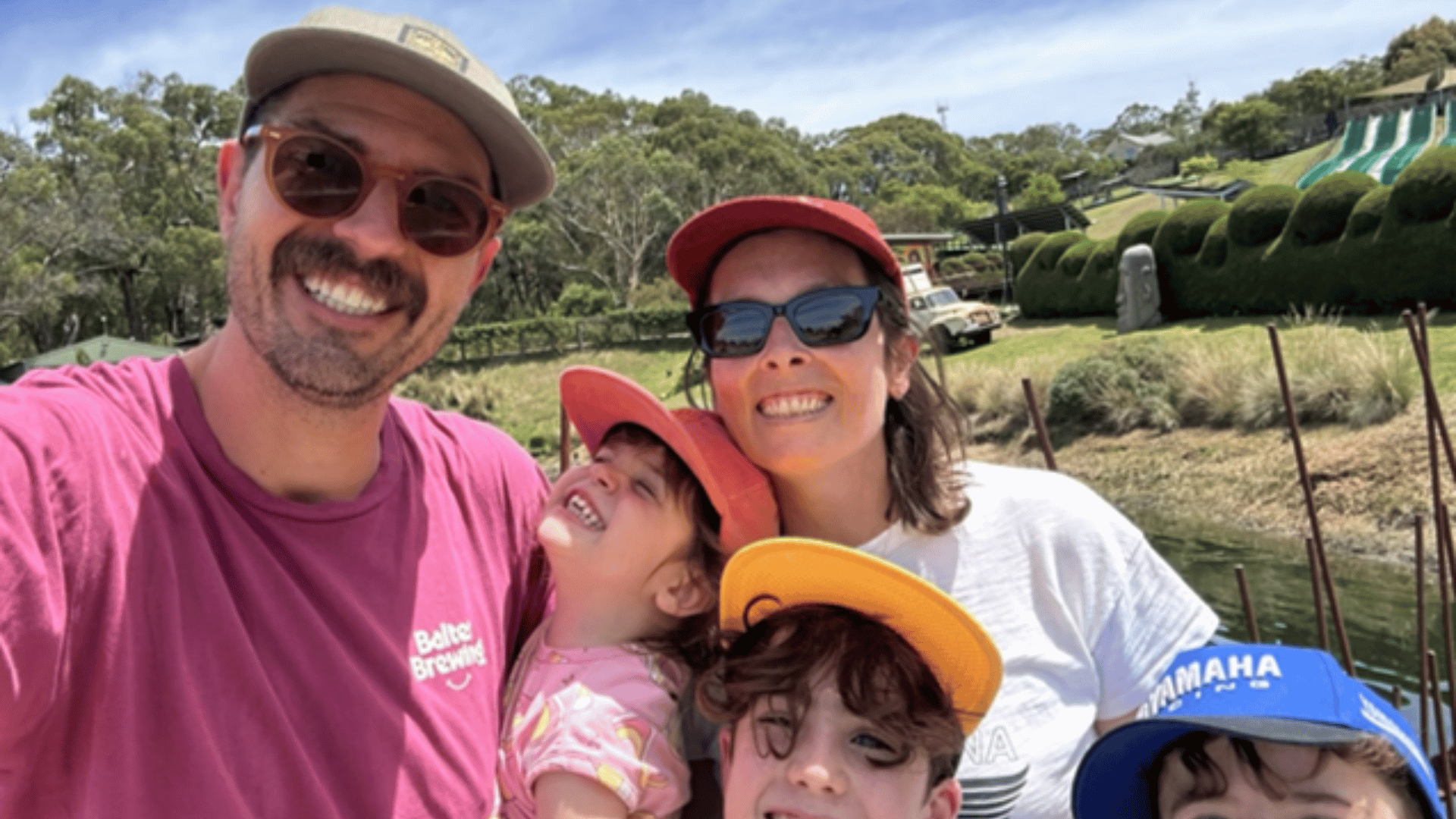
I’m also a husband, a father and someone whose family has experienced what discovery and innovation really mean when cancer becomes part of everyday life.
My beautiful wife Steph was diagnosed with a rare, aggressive stage 4 neuroendocrine tumour in April 2023.
Overnight, cancer stopped being something we understood professionally and became something we lived.
Transforming cancer care through discovery and innovation
Researchers see the future of cancer care: personalised prevention, imaging, genomics, new therapies and supportive care.
But from where families sit, these aren’t just research topics.
Research helps to explain what’s happening, opens up another treatment option, reduces suffering or simply give someone more time. It helps to answer questions.
Every scan, every pathology result and every treatment decision depended on discovery.
Cancer is lived at home
Cancer is not just a disease.
It’s the scan before the appointment. It’s the medication schedule spread across the kitchen table. It’s school drop-off after a night of anxiety. It’s the treatment that works – until it doesn’t.
It’s trying to explain uncertainty to children while somehow keeping family life moving.
Steph has gone through 40 rounds of chemotherapy, targeted therapy and immunotherapy.
The questions keep changing
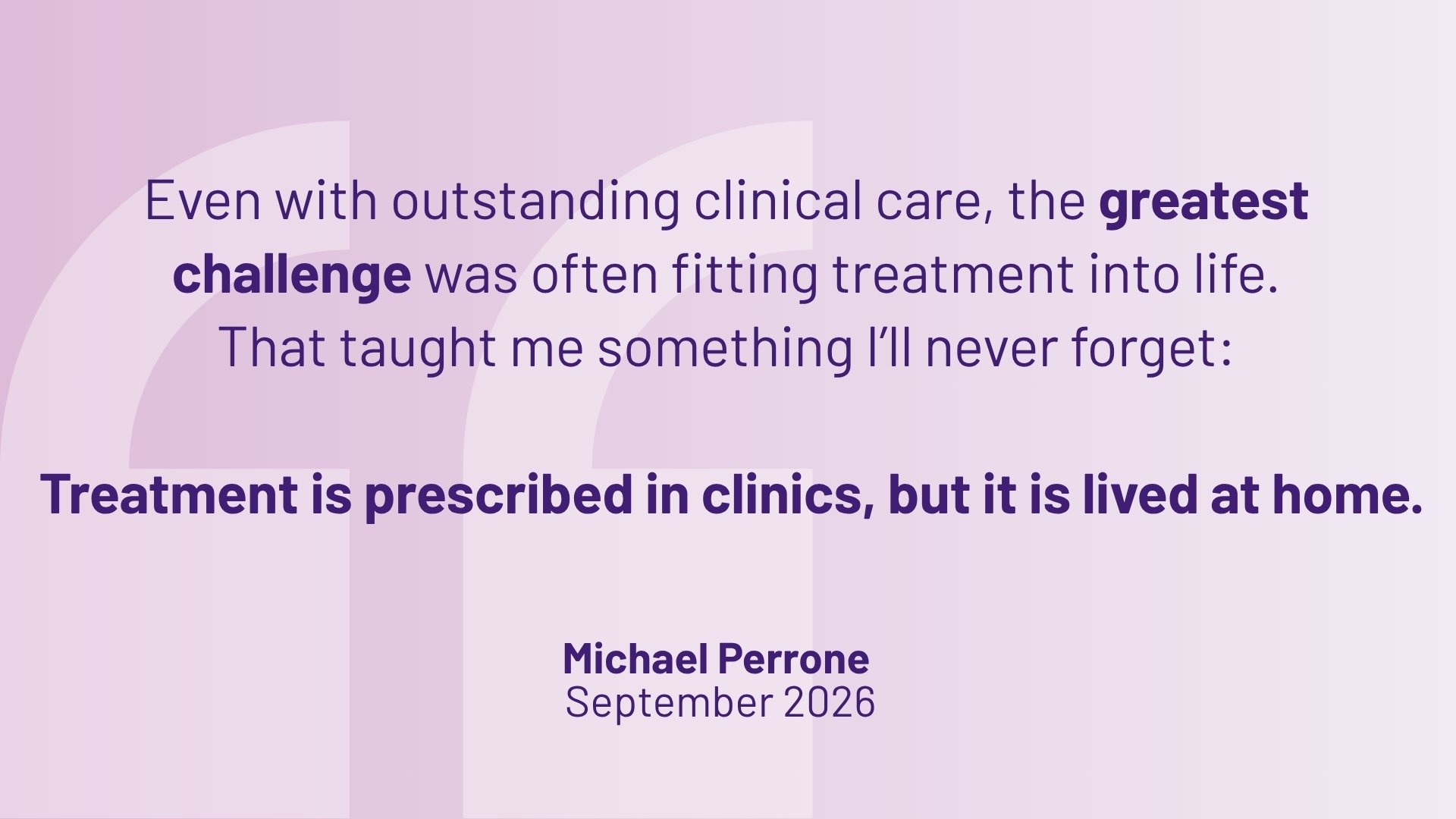
When I think about research, I don’t only think about finding the next drug. I think about asking better questions.
What exactly is this cancer? Why has it changed? Why has treatment stopped working? What should we do next? And how do we help families live through all of that?
The more complex Steph’s cancer became, the more the questions changed.
Discovery isn’t something that happens once. It happens continuously.
It has to happen across the entire cancer journey because the disease keeps changing.
And when the questions change, families rely on researchers and clinicians who are willing to look again, think again and keep pushing forward.
Cancer is not the whole journey.
Cancer does not define Steph.
It doesn’t define our marriage. It doesn’t define our family.
Cancer may be the road we’re travelling, but it isn’t the whole journey.
There is still parenting. Birthdays. Laughter. Family holidays.
Ordinary moments that become extraordinary simply because they’re ordinary.
Time. Relationships. People who show up.
A terminal cancer diagnosis creates an extraordinary clarity.
It reminds you that time is precious. Relationships matter. Kindness matters. And the people who quietly keep showing up matter more than you ever imagined.
Research matters for exactly the same reason.
Because it gives families more time. More options. More hope.
Keep asking better questions.
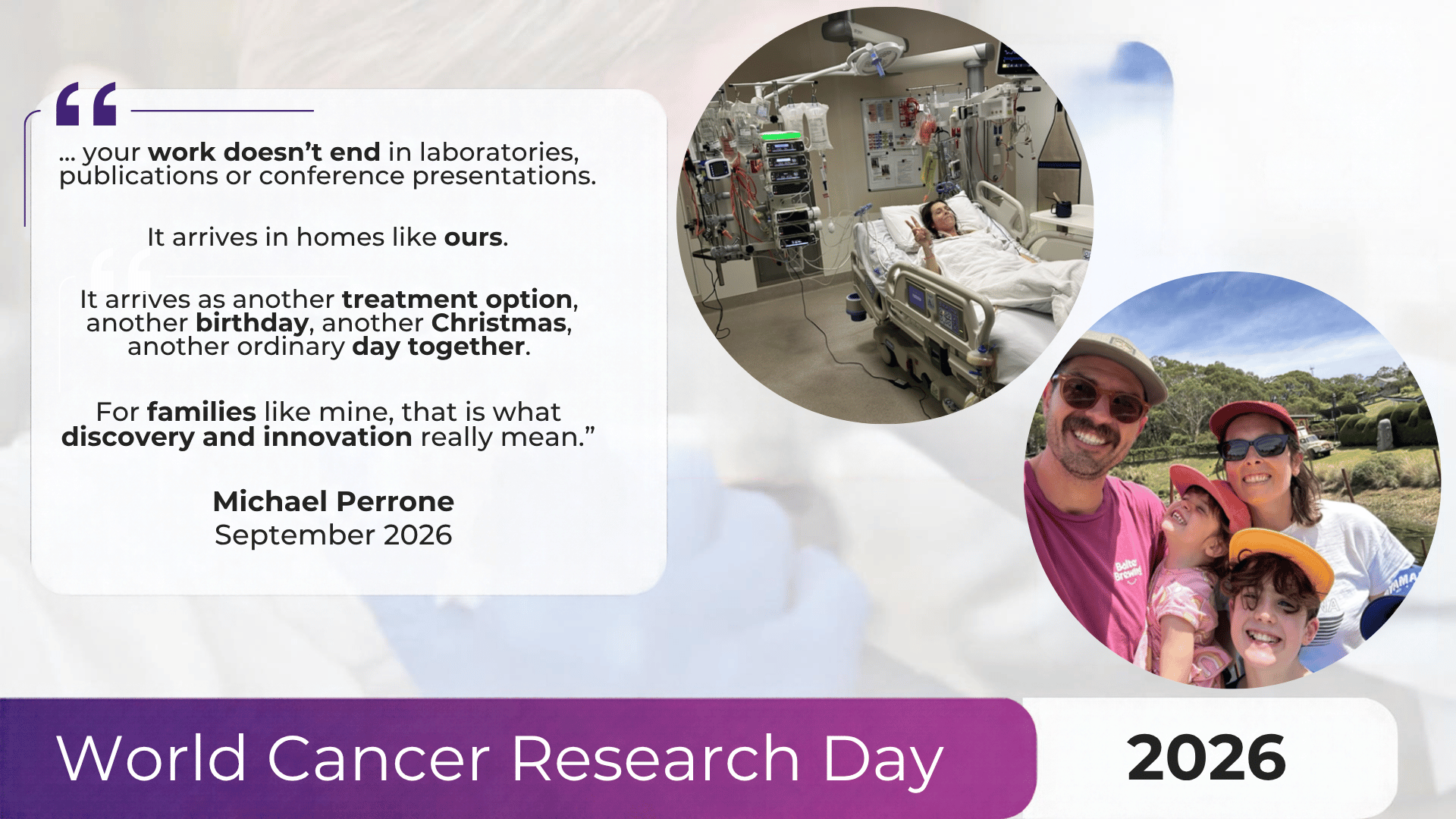
My message to researchers on World Cancer Research Day is simple.
Please stay curious. Stay brave. Keep asking better questions. Because your work doesn’t end in laboratories, publications or conference presentations.
It arrives in homes like ours. It arrives around kitchen tables. It arrives in conversations between parents after the kids have gone to bed.
It arrives as another treatment option, another birthday, another Christmas, another ordinary day together.
For families like mine, that is what discovery and innovation really mean.
@Follow us on Instagram (@SupportPeterMac)