
Cancer is personal. Treatment for leukaemia must become personal too
3 min read 19 October 2026
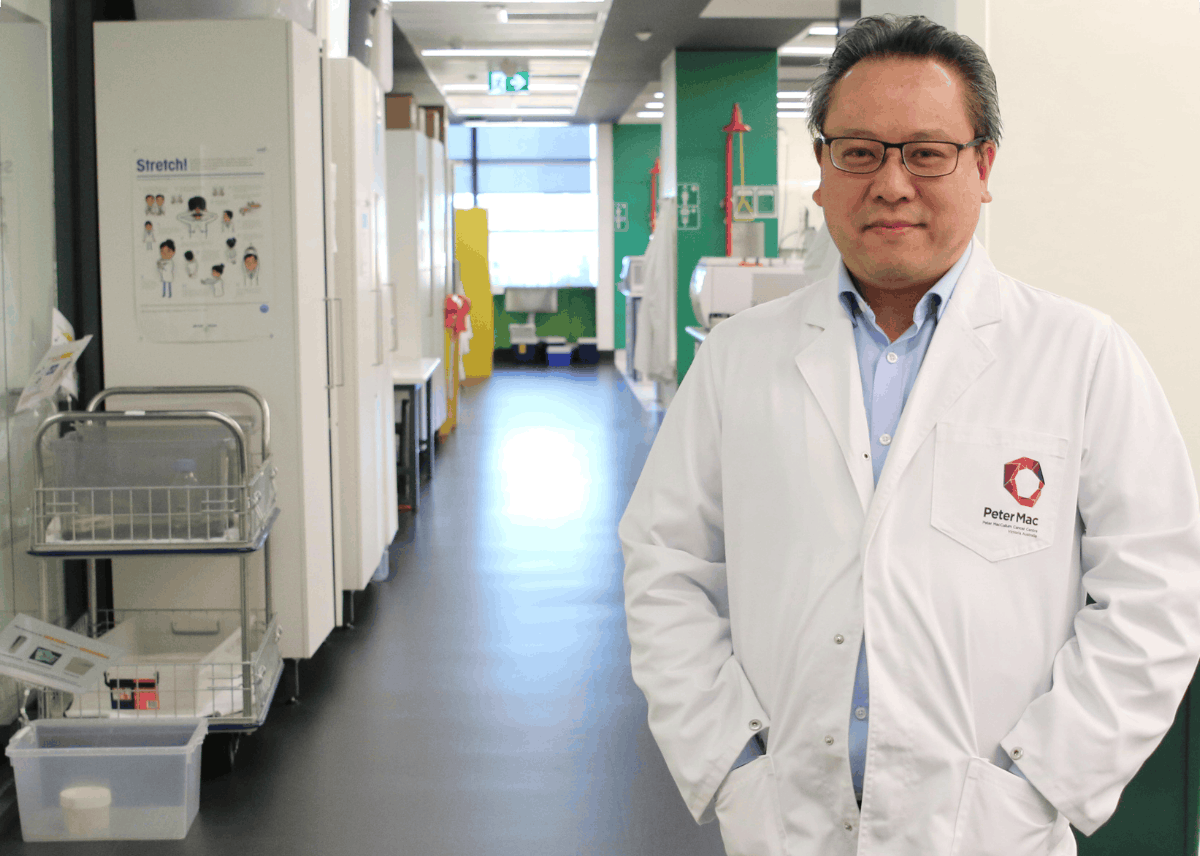
Associate Professor Ashley Ng is working towards a future where leukaemia treatment can be more personalised. He wants treatment to be kinder on young bodies.
As a clinical haematologist and blood cancer researcher at Peter Mac, A/Prof Ng sees how treatment affects children and young people with acute leukaemia.
Treatment saves lives. But because cancer can be so aggressive, treatment can also mean months of chemotherapy, radiation therapy, spinal procedures, transplant preparation and long periods of isolation.
For some, the late effects of treatment continue for years.
Research has already helped transform survival for acute lymphoblastic leukaemia, the most common childhood cancer.
9 in 10 children and young people with acute lymphoblastic leukaemia survive.
But survival is not the whole story. Research must help change what treatment demands of young bodies.
Please donate this Christmas to help accelerate vital cancer research at Peter Mac.
Why personalised treatment matters
Acute lymphoblastic leukaemia has just one name. But inside the cancer cells, different changes can drive the disease in different ways.
“Leukaemia is more than just one disease. Different mutations drive leukaemia differently. We need to understand each mutation and how we can target them to change for the next evolution of treatments.” – A/Prof Ashley Ng
Those differences matter. They can affect how the cancer behaves, how it responds to treatment, and which therapies may be most appropriate.
That is why personalised cancer treatment has such potential.
If researchers can understand what is driving each person’s cancer, they can work towards treatment that is better matched to that cancer. Treatment guided by the biology of the disease, not only by the name of the diagnosis.
For some people, that may mean targeted therapies that act on a particular abnormality in the cancer cell. For others, it may mean immunotherapies that help the immune system recognise and attack cancer cells. For others still, it may mean knowing earlier which treatment is most likely to work, and where unnecessary toxicity may be avoided.
“The way that we approach treatment can be very different depending on what the genetic driver is. This goes towards the idea of personalised oncology.” – A/Prof Ashley Ng
The goal: powerful treatment, less toxicity
Personalised treatment is not simply about doing less. It is about knowing more. More about the biology of the cancer. More about which treatments are likely to work. More about which toxicities may be avoided. More about how to protect young bodies during treatment, and in the years that follow.
“One important part is developing new therapies which are less toxic but have just as good – or better – effectiveness than the current therapies.” – A/Prof Ashley Ng
That goal matters for young people like Ben.
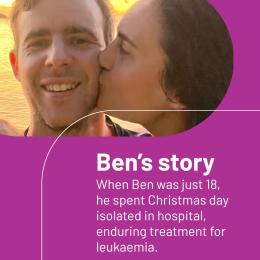
Ben was 18 when he was diagnosed with T-cell acute lymphoblastic leukaemia. Cancer forced him through chemotherapy, radiation and a bone marrow transplant. It was brutal, and he still carries the toll today.
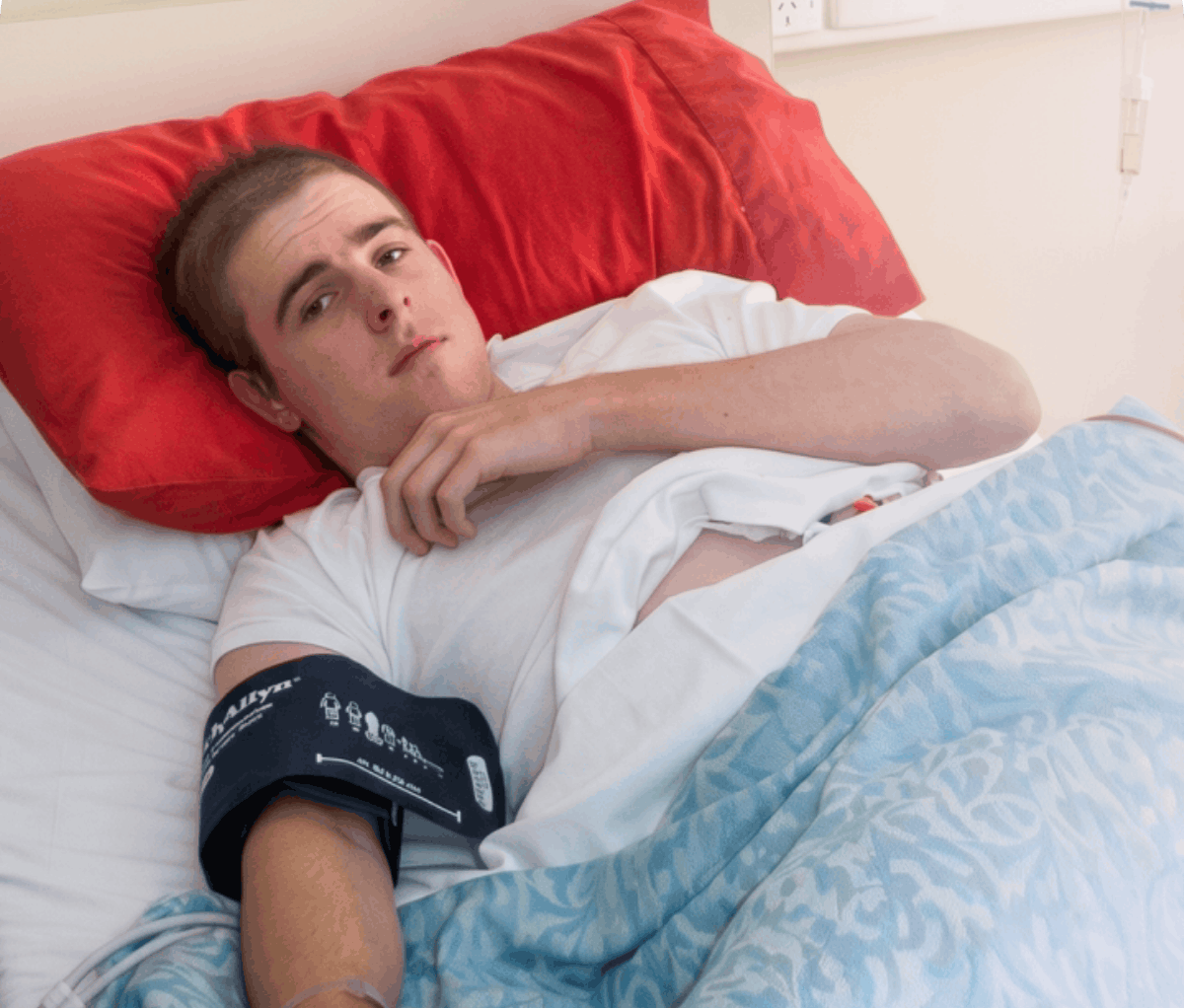
Ben’s story show why research must keep moving.
Peter Mac brings researchers and clinicians together, so discoveries in the laboratory can be shaped by what patients need, and promising ideas can move closer to real-world treatment.
But that progress needs support.
“Imagine if the funding was increased to take some of these ideas forward. How much faster we'd be able to move, how much faster we'd be able to improve patient treatments.” – A/Prof Ashley Ng
Please donate this Christmas to accelerate research like A/Prof Ng’s. Your gift can help accelerate kinder cancer treatments – so young people get the treatment and the future they deserve.
@Follow us on Instagram (@SupportPeterMac)