David’s brain cancer made this family holiday priceless
3 min read 07 September 2026
When David’s cancer spread to his brain, a planned holiday became something devastatingly precious. His story shows why research matters so much when time and options are running short.
By the time David and Mardi took their sons to New Zealand, they knew it would be the last family holiday they would have together.
The boys went bungee jumping, whitewater rafting and jet boating. David and Mardi “did the old man thing” and went to see the glow-worm caves. At any other time, those might have felt like ordinary holiday plans. Instead, they became something else entirely: memories being made while they still could.
Because by then, David and Mardi had already been told the news no family wants to hear.
David’s cancer was terminal.
Time was no longer something they could take for granted
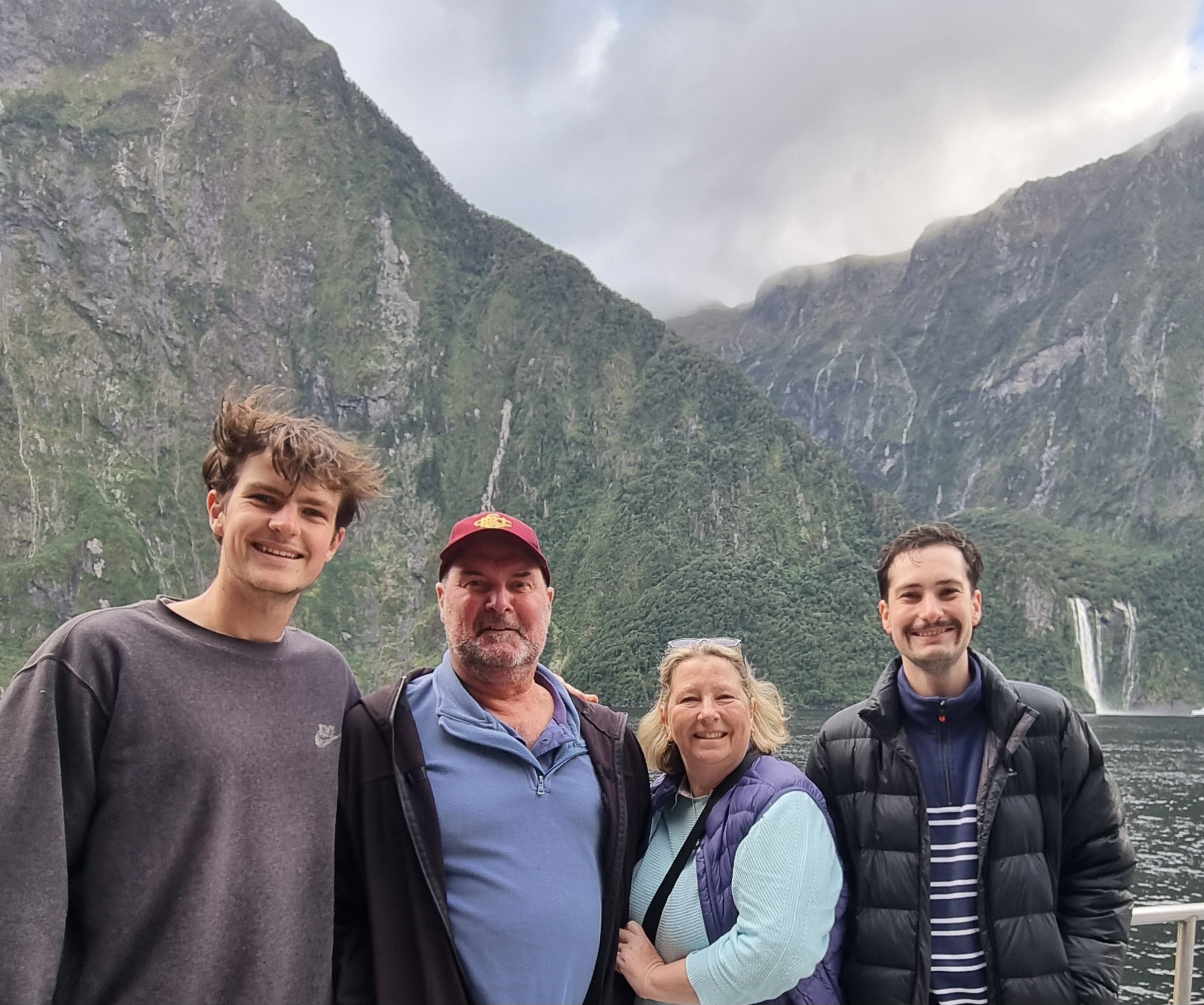 “We saw the opportunity to be able to have a family holiday together, which we might not be able to have again.” – Mardi, David’s wife
They had thought the worst was behind them
David, a self-employed plumber from East Bentleigh, was first diagnosed with throat cancer in 2023 after he lost his voice. Scans and biopsies revealed a tumour wrapped around his larynx. Because of where it was, surgery was not an option. Instead, he went through seven weeks of radiation and chemotherapy.
The treatment was punishing. In David’s words, “very confronting and tiring”.
Mardi shared it was so much more than that: “David lost 11 kilos in a matter of weeks and ended up on a feeding tube. He then spent nearly a month in hospital after his treatment, to manage his pain as he returned to eating normally.”
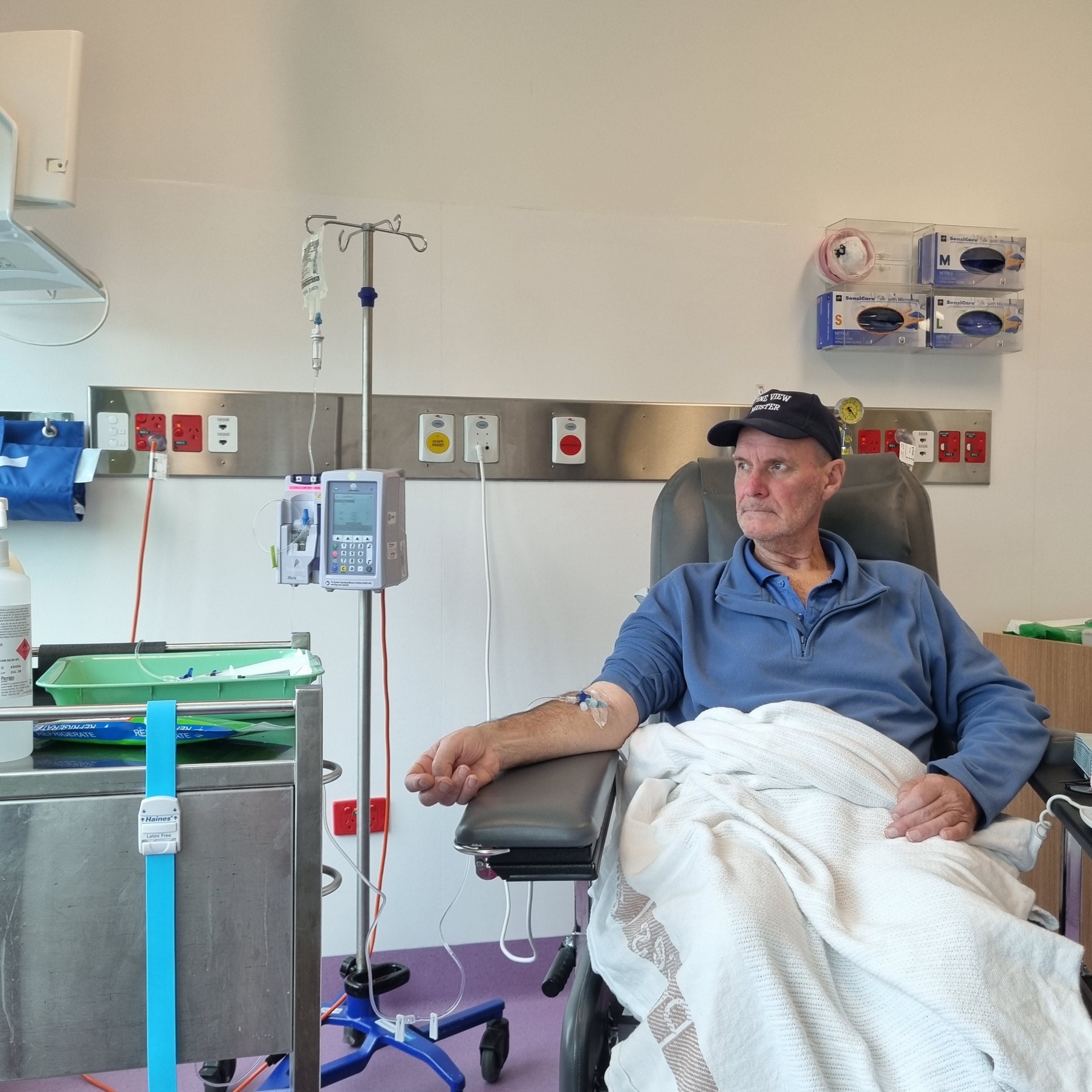 “It wasn’t pretty to watch.” – David
But by Christmas that year, things looked hopeful. Their eldest son was turning 21. Scans showed everything was “as clean as a whistle”. Check-ups became less frequent.
Then David developed an uncontrollable cough.
Scans revealed new tumours in his lung, behind his oesophagus and in his lymph nodes. So treatment began again.
David also chose to take part in a clinical trial, knowing it was unlikely to benefit him directly, but could help others in the future.
The clinical trial, called Immuno-PET, tested a new type of scan enabling doctors to see detailed changes in David’s immune system.
In the final stage of the trial, the scan showed something new – something no one had expected. Doctors found five new tumours in David’s brain.
His cancer was now Stage 4. This meant treatment pivoted from curative to life-extending.
David was given around 18 months to live.
“Whatever time we had was a win, and it’s all because of that research.” – Mardi
David passed away peacefully after a three-year battle with cancer. In the time he had left, he and his family focused on making memories together and appreciated every moment. Research had not yet gone far enough to save him, but it helped give David precious time with Mardi, Josh and Aaron – something they will always be grateful for.
Mardi is clear about what helped carry them through: the progress research had already made.
She shares, “Treatment has progressed in leaps and bounds in the last decade. A lot of what David had didn’t exist 5 years ago. And every time something changes, it's something learnt. Science is proving and disproving. It's not luck of the draw.”
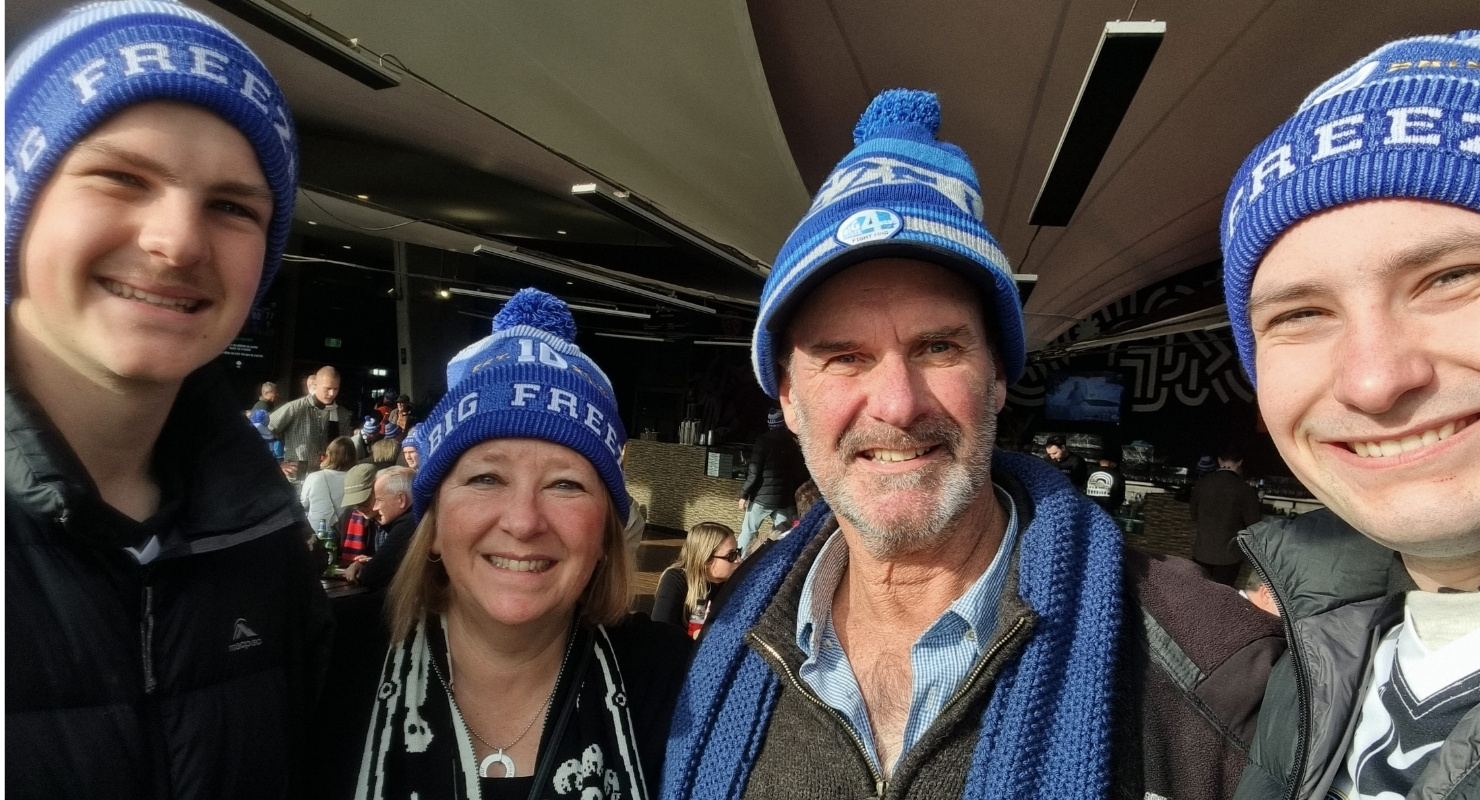
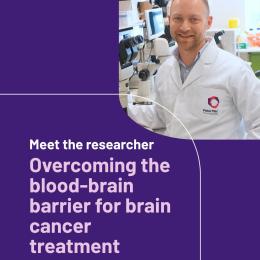
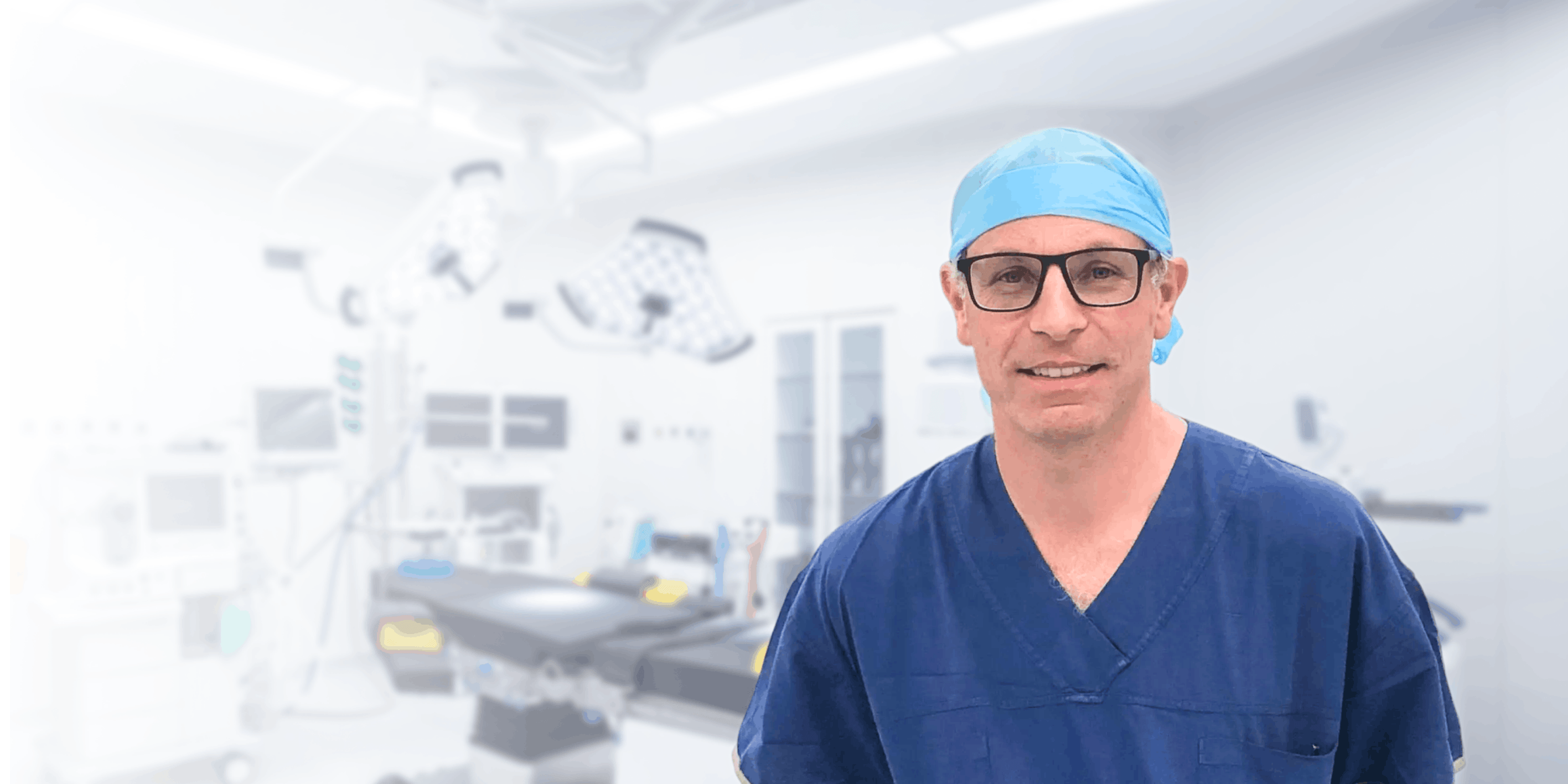
In their final few months together, David wanted to raise awareness of research that can deliver more time to families like his. Research like Professor Ben Hogan’s.
Help accelerate cancer research like Professor Hogan’s.
The next great frontier in cancer treatment
At Peter Mac, Professor Ben Hogan and his team are looking for new ways to treat brain cancer by getting therapies through the blood–brain barrier.
The blood–brain barrier is a natural protective barrier that helps prevent harmful substances in the blood from reaching the brain. But it can also prevent many drugs from reaching tumours there.
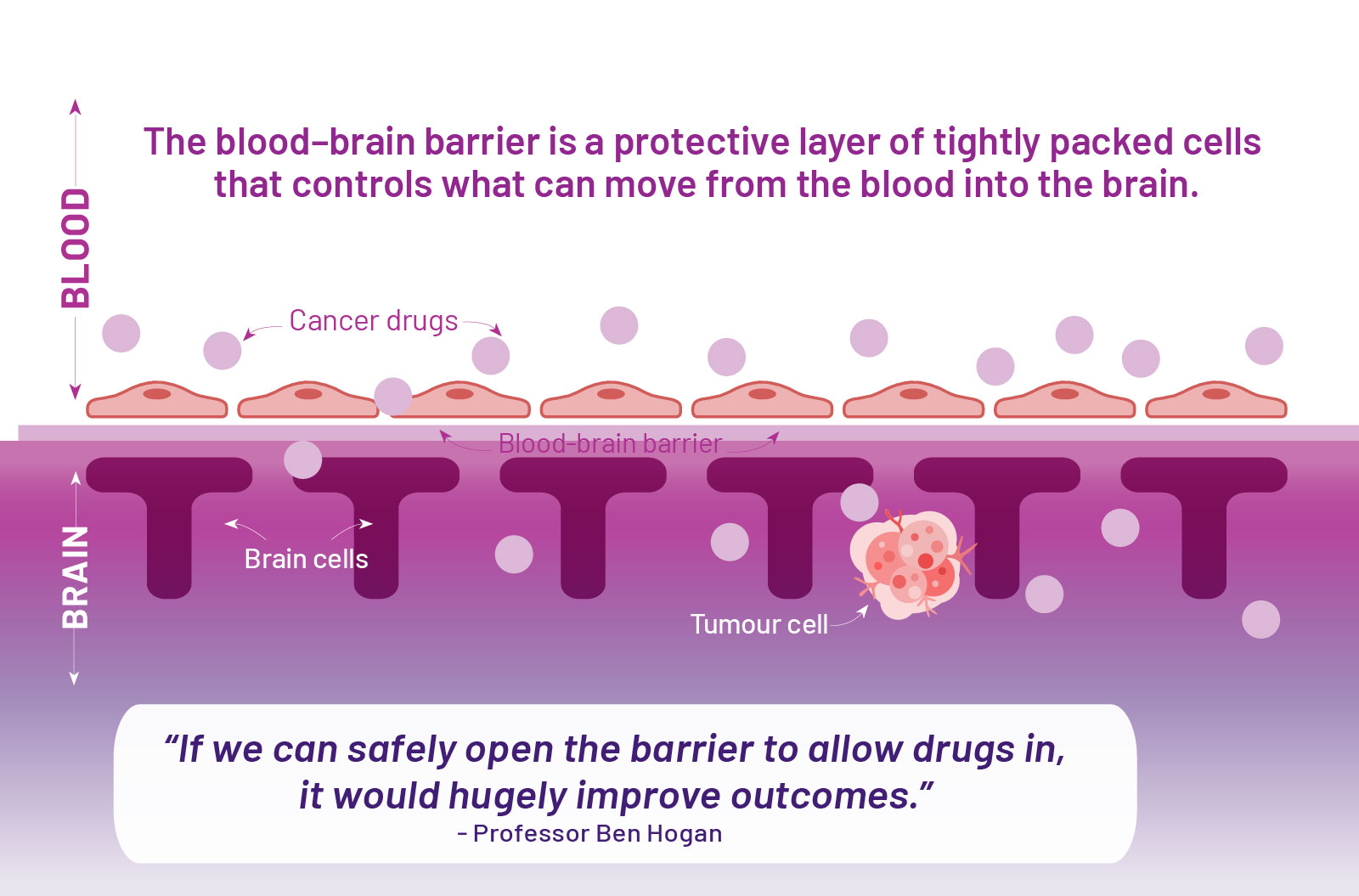
If researchers like Professor Hogan can find safe new ways through, it could open up important new possibilities for people with brain cancer.
Why the next breakthrough matters
For families like David and Mardi’s, research is bound up with the most urgent hope there is: that what is impossible today may not stay impossible forever.
Because sometimes research means finding the cancer in time. Sometimes it means giving doctors one more option.
And sometimes it means giving parents and children one more stretch of ordinary life – one more trip, one more birthday, one more chance to hold on to each other.
That is what makes the next breakthrough matter so much.
That is why research matters right now.
And it is why your donation means everything.
Please support cancer research at Peter Mac. Your donation will help accelerate work towards more treatment options for families like David’s.
@Follow us on Instagram (@SupportPeterMac)