
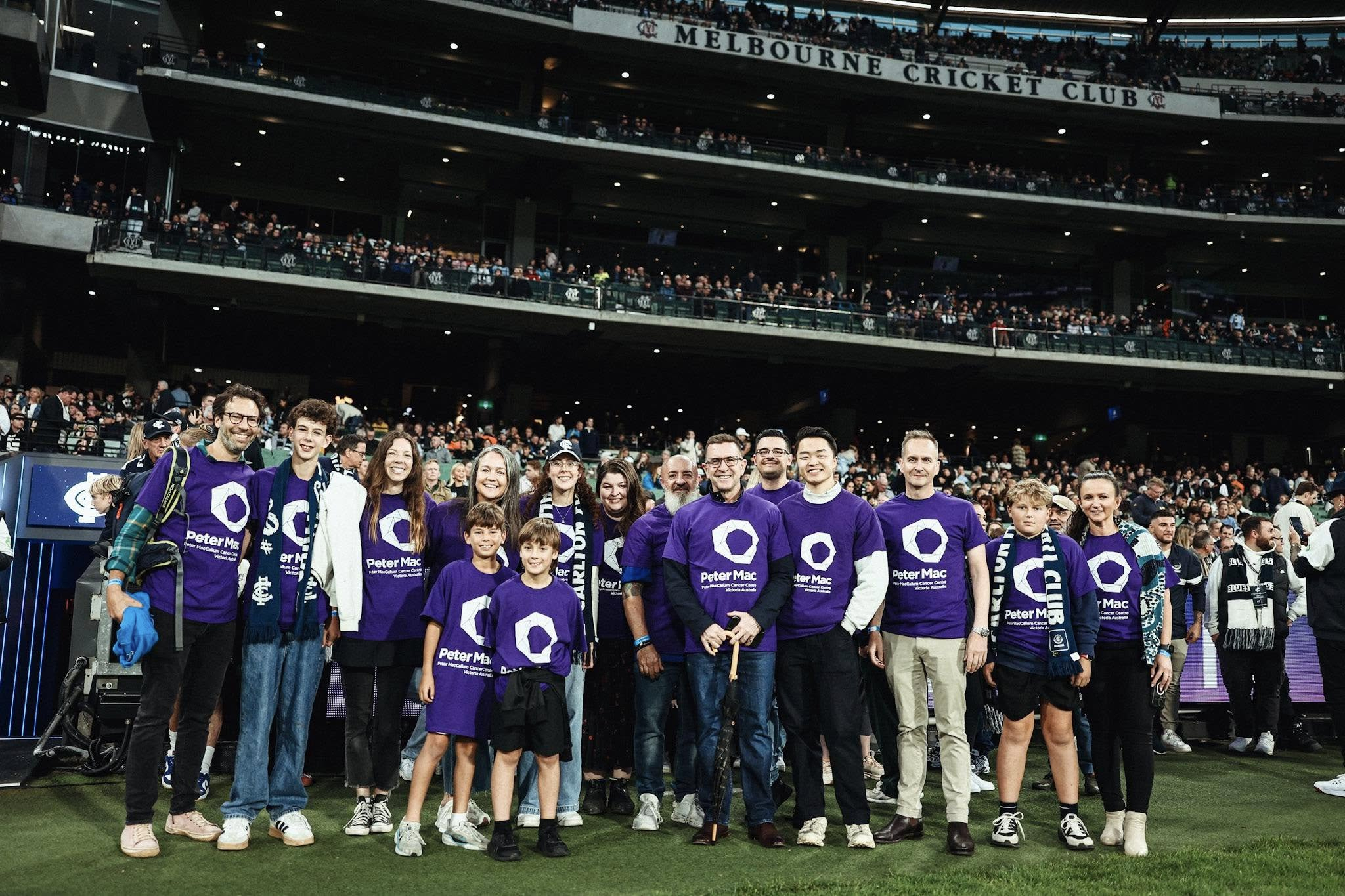
“I was just an average 18-year-old” – Ada’s osteosarcoma diagnosis
07 April 2026
Ada was in her first year of university, studying health science. She worked part time at a nearby shopping centre. And she enjoyed spending time with her boyfriend, Daniel. She was like any other teenager.
But then Ada started getting pain in her knee.
At first, she thought the lump there was just a bruise. But after limping to lectures, Ada turned to Daniel, and said, “I’m in so much pain, I can’t walk. Let’s go to the hospital.”
A shocking diagnosis
Scans revealed a tumour in Ada’s knee.
“When they started talking about cancer, we were like, ‘We’re just 18. We don’t know anything about cancer,’” Ada says.
After more tests and scans, Ada learned the tumour was osteosarcoma – a rare, aggressive bone cancer. Sadly, sarcoma is a cancer that disproportionately affects young people.
Within days, she was at Peter Mac, beginning treatment that would save her life, but also fundamentally change it.
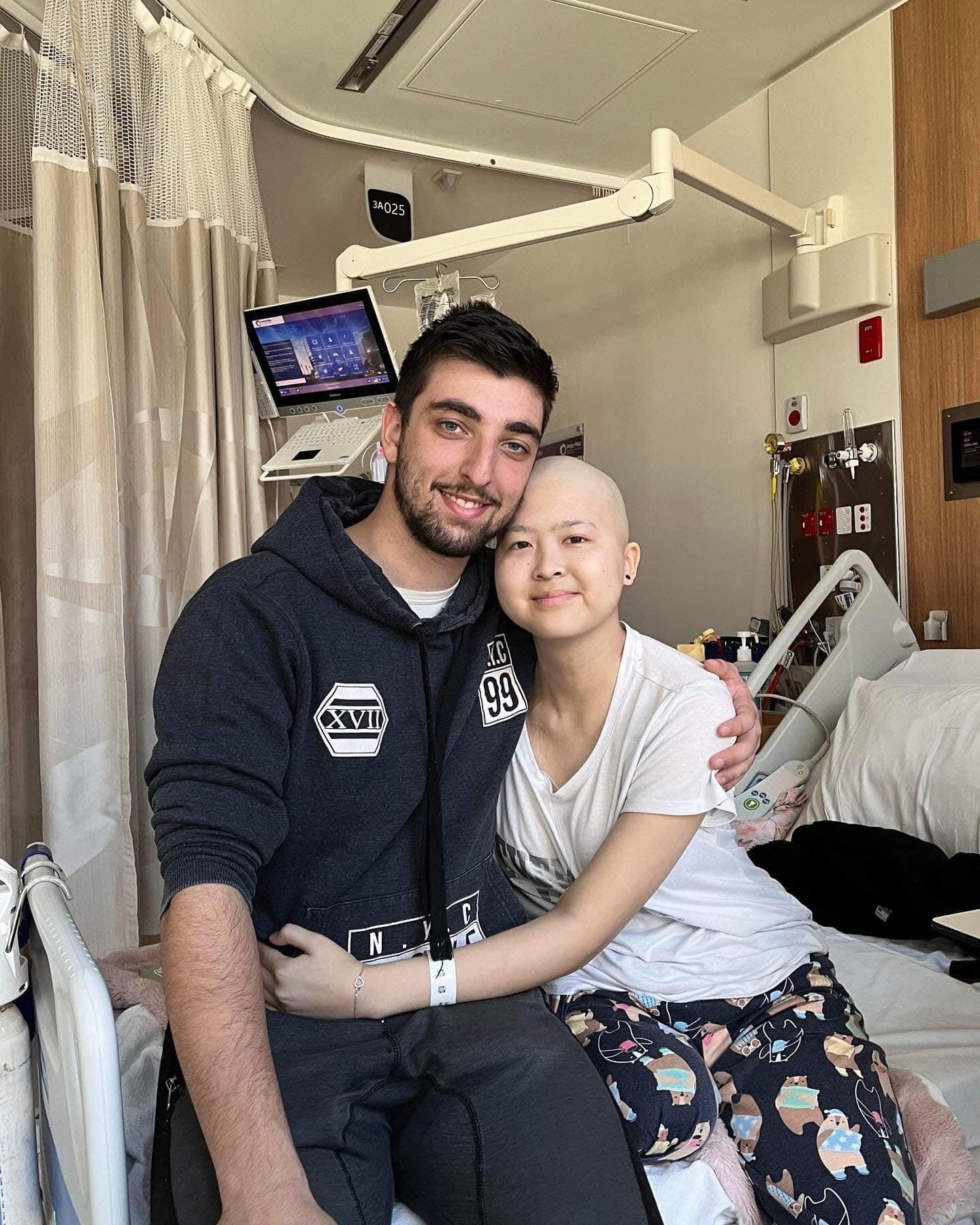 “I was told it would probably be a year-long journey, and that they’d try to save my leg.’” – Ada
Starting chemotherapy
Chemotherapy was vital but brought nausea, hair loss, fatigue and multiple readmissions for infection.
“Seeing pieces of hair in my hand… I would wake up and there would be hair on my pillow. When I was in the shower, there was hair in the drain. It was just sad to see.” – Ada
Then Ada’s surgeon came to her and said it was time to talk about surgery.
Ada’s ‘best’ treatment option
Sadly, about halfway through treatment, Ada’s leg had become a heavy weight. She shared, “The tumour was so aggressive… my right leg was just a dead leg. I couldn’t lift it or bend the knee. I could only wiggle my toes.”
In fact, the tumour had fractured the bone in Ada’s knee and was spreading up her thigh.
Ada remembers, “I was adjusting my position in bed and my knee actually popped. It cracked. At 2:00 am, we did an X-ray, and the tumour was so big that they couldn't even see the crack.”
Amputation above the knee would be the best option for Ada’s long-term future
As you can probably imagine, Ada’s parents were aghast at the prospect of her surgery. Ada’s mum was devastated by the prospect and hoped for a gentler option. Ada recalls, “She goes, ‘Don’t amputate your leg. Don’t lose your leg.’ I mean, no one wants to lose their limbs, but if it’s to reduce the cancer coming back again or extending their life…”
Losing her leg was more than any teenager should have to endure. People like Ada urgently need smarter, gentler treatments. Ones that save lives without taking so much from them.
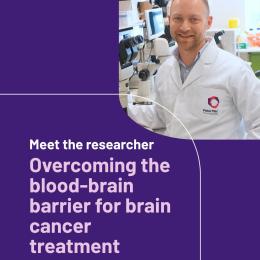
And that’s the future Peter Mac researchers, like Associate Professor Ian Parish, are working towards.
Gentler cancer treatments are already inside us
A/Prof Parish believes the future of cancer treatment lies in the immune system: understanding how it recognises cancer, how the disease shuts it down, and how those natural defences can be made to fight back more effectively.
This approach, known as immunotherapy, is already changing outcomes for some cancers. But for rare cancers like sarcoma, there’s still much to learn. That’s why this research matters now – to give future patients more options, and gentler treatments. You can read more about this work, and A/Prof Parish’s research here.
A new life – but not as she imagined it
As Ada recalls, “I was very, very nervous thinking of waking up with my leg not there. Once it was done, I was relieved… but it took me a while to be comfortable to walk again. I had to adapt in my mind that I’m going to rely on walking with a prosthetic leg for the rest of my life.”
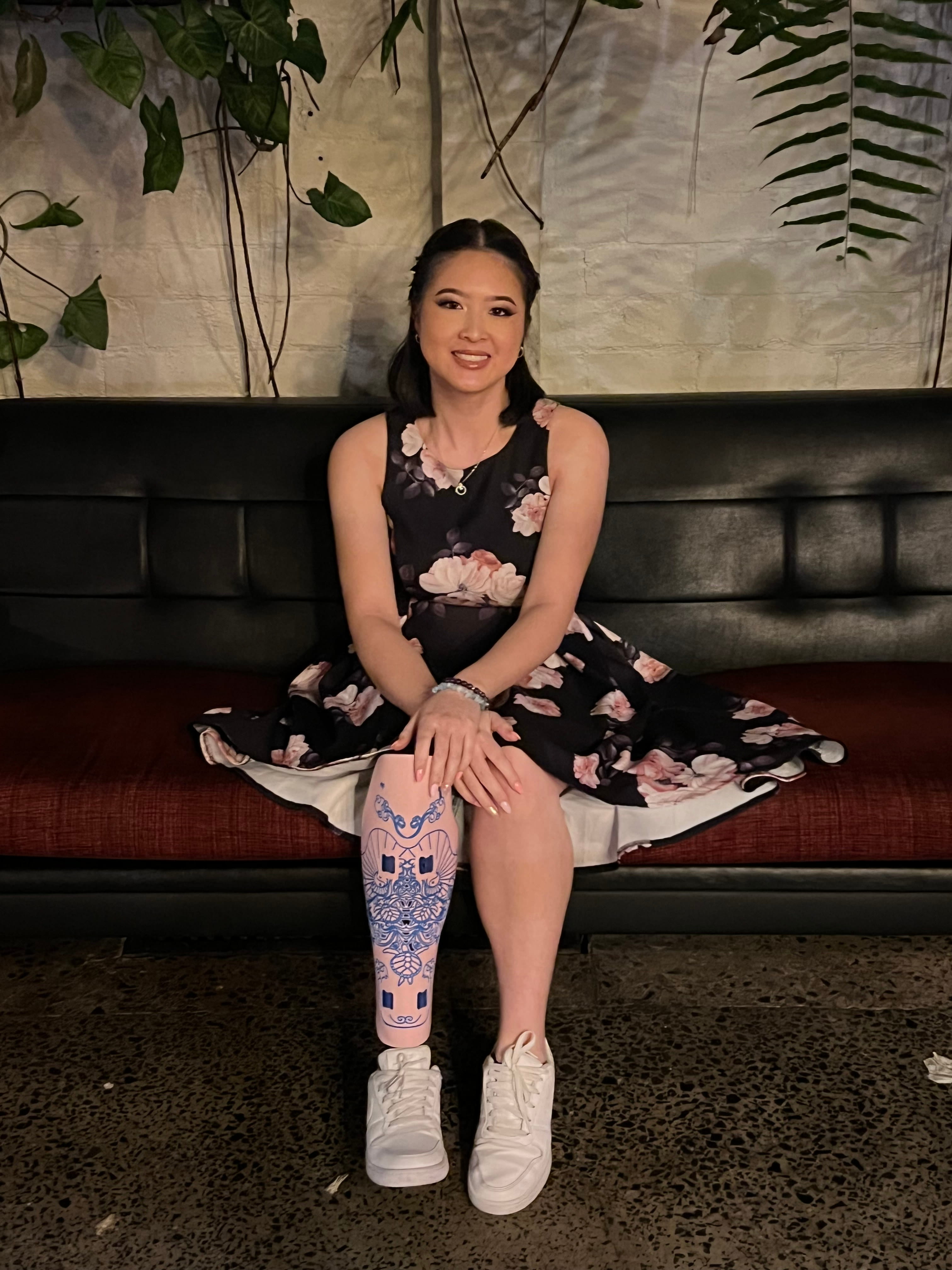 Today, Ada is proud of her new leg with blue designs.
While her friends were moving forward, Ada had to learn a new way to stand, balance, and walk through the world. Recovery took months of effort. Yet slowly Ada found her rhythm and today, she wears her prosthetic leg with pride.
At Peter Mac, we believe in a future where life-saving treatments are gentler – so young people like Ada can hold on to more of themselves.
That future depends on what happens now. We must ensure cancer research moves faster, evidence grows stronger, and gentler treatments come closer for the next young person facing cancer.
@Follow us on Instagram (@SupportPeterMac)